On, Off, and Everything Between
Underneath everything, a computer holds just one tiny thing: a switch that is on or off. Meet the bit.
A quick note on how we teach here. You won't find equations or numbers in this series, and that is on purpose. The goal is understanding, not arithmetic, so every idea is explained in plain words and simple pictures. When you want the math later, the rest of Internals Decoded is ready for you.
Welcome back. Last time we saw that a computer is a helper that follows instructions. You give it a task, and it does the work, step by step. Today we are going to look at the simplest piece of what that helper holds inside. It is so small you cannot see it. But once you understand it, you will have the key to how every photo, every song, and every message gets stored.
That tiny piece is nothing more than a switch. A switch that is on or off.
A wall of light switches
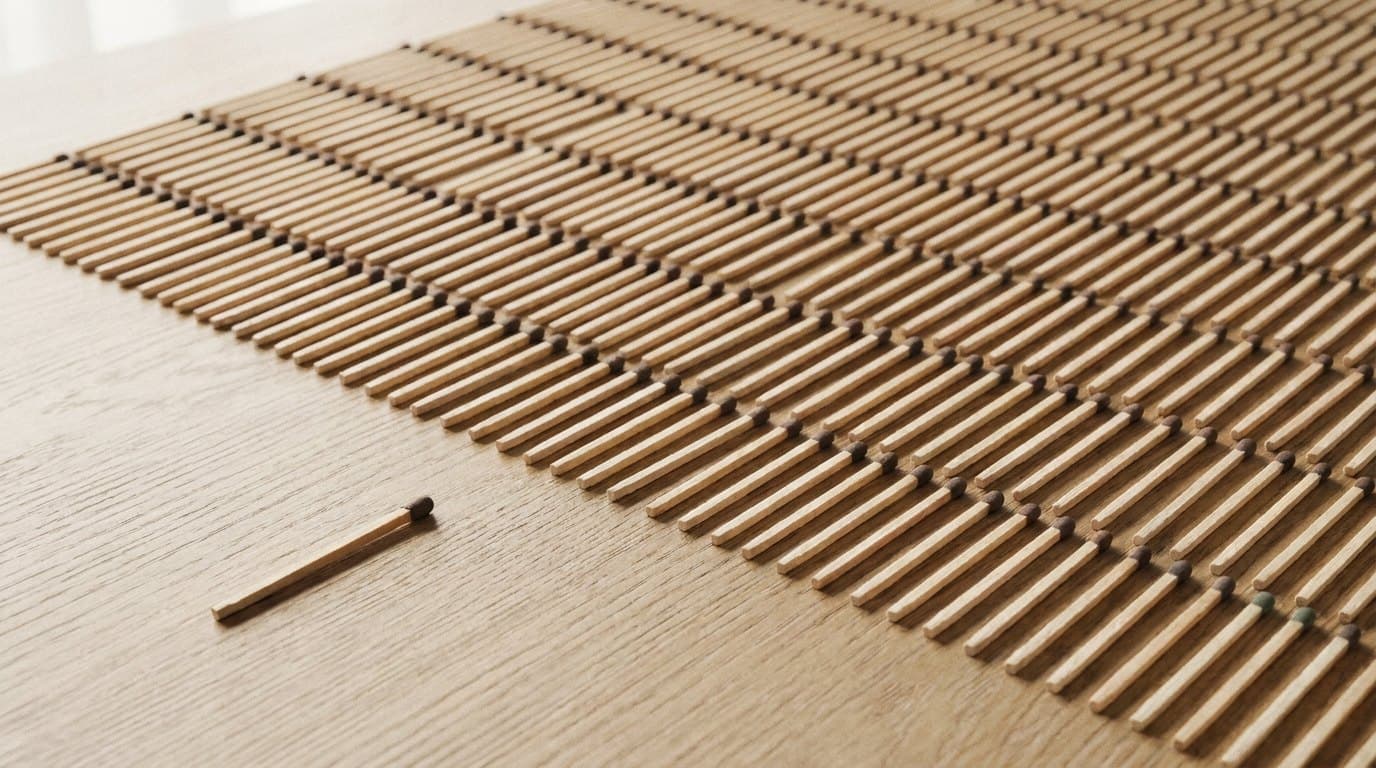
Picture a long row of light switches on a wall. Each switch can be up or down. Up might mean the light is on. Down means the light is off. Right now, by itself, one switch does not tell you very much. It can only say on or off. If you look at that single switch, you have no idea what it stands for.
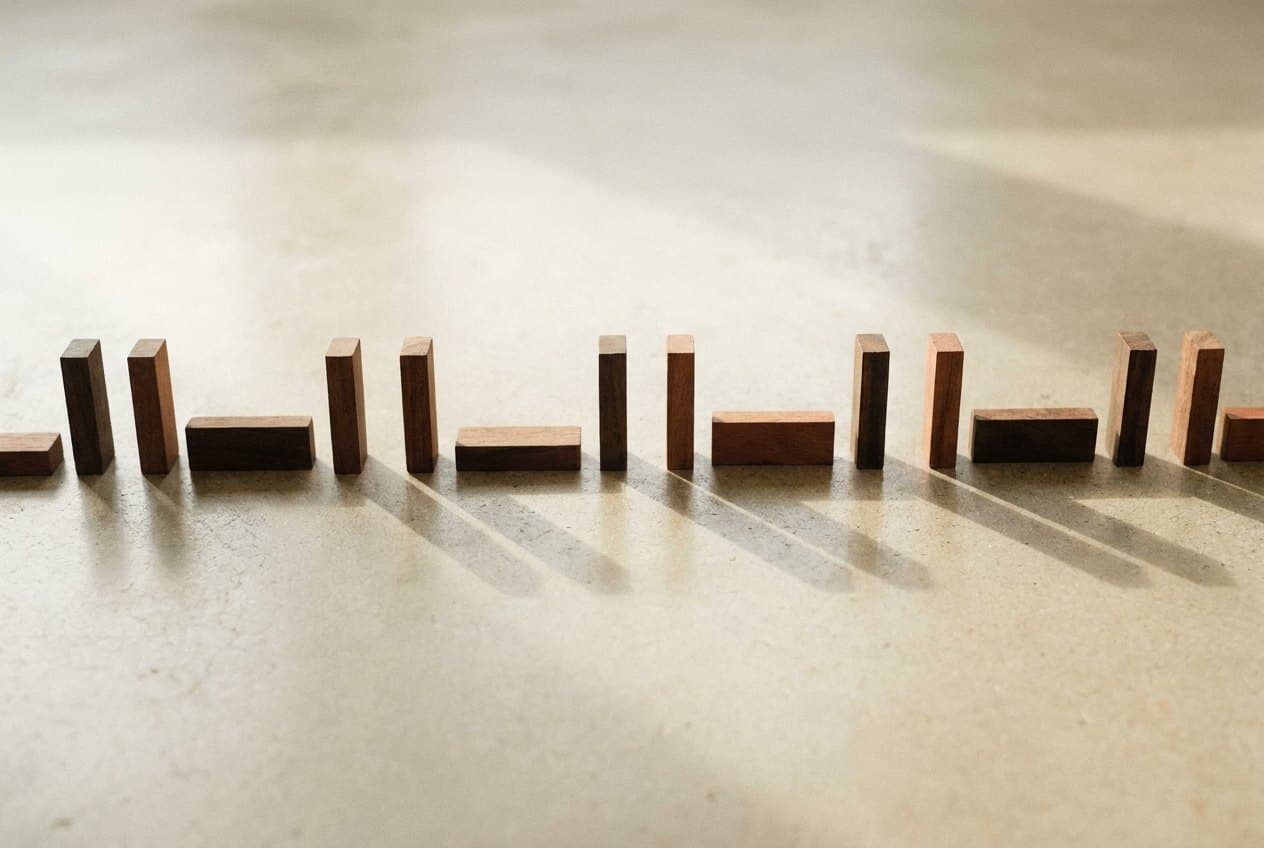
Now imagine you and a friend own that whole wall of switches. You decide ahead of time on a secret code. You agree that a particular pattern of ups and downs means hello. When you flip the switches to that exact arrangement, the wall no longer looks random. It carries a message. Your friend walks in, sees the pattern, and knows you just said hello.
The meaning does not live in any single switch. It lives in the pattern across the whole wall.
Inside a computer, the memory is like that wall. It holds a huge number of tiny switches, far more than you could ever count. They are not physical switches you flip with your finger. They are electronic, the size of little sparks. But the idea is exactly the same. Each one can be on or off. Nothing else. That is the only alphabet a computer has. Not letters, not numbers, not colors. Just on and off spread across a great many switches like a wall of light.
Agreeing on the pattern
So how does a computer ever show you the letter A? It never sees the shape of A. It stores a pattern of ons and offs that everyone agreed will stand for A. A long time ago, people who build computers made a shared list. They said, "When you see this exact pattern of ons and offs, treat it as A." That list became a common language. Every computer and every piece of software uses it.
When you type the letter A on your keyboard, the computer does not tuck the shape away in its pocket. It flips a handful of its tiny switches into the agreed pattern. Later, when it shows you the letter on the screen, it looks at that same pattern again and lights up the right dots so you see an A.
The same trick works for a sound. A certain pattern might stand for a quiet note, and another pattern for a loud one. For a photograph, a single dot of color might be represented by a pattern of switches as well. You agree on what "soft blue" looks like as a set of ons and offs. Then you repeat that for every dot in the picture.
What matters is the agreement. As long as everyone understands the same pattern, the message carries. The computer itself never needs to know what a sound feels like or what the color blue looks like. It just faithfully remembers the patterns.
Building up from tiny pieces
A single switch can only say on or off. That seems like far too little to do anything useful. But when you link many switches together, the number of possible patterns becomes enormous. Think of the wall of light switches again. With just a handful of switches lined up, you can make a surprising variety of different up and down arrangements. Extend that wall to a whole room, and the possible patterns grow beyond anything you could name.
This is the secret. The building blocks are incredibly simple. But because you can combine so many of them, you can represent anything. A word is just a sequence of letters, and each letter is a pattern of switches. String those together and you get a sentence, then a paragraph, then a whole book.
A grainy photo might use a modest collection of switches to stand for all the small dots of color. A rich, detailed photo uses a far larger collection. A song is a long list of patterns for different sounds at different moments. Every message you send, every image you take, and every video you watch is, at the bottom, a vast arrangement of ons and offs.
People who work with computers have a friendly name for one of these tiny on or off switches. They call it a bit. That is all a bit is: a single switch holding an on or off state. When you hear someone say that a photo takes up a great many bits, they mean it takes a great many of these little switches, each one sitting quietly in an on or off position.
The computer does not see the big picture. It only sees an army of bits, one after another, all in patterns you helped invent.
Where this is heading
We have now met the bit. It is the smallest piece of everything a computer holds. A single on or off seems almost invisible, but enormous collections of them, arranged in patterns we all agree on, can stand for any letter, any color, any sound.
That leads to a natural question. How does something from the real world, like your voice or a photograph of a sunset, ever get turned into a pile of bits in the first place? The journey from what you see and hear to the switch patterns inside the machine is the next big idea we will explore. And it is a much gentler ride than you might expect. When you are ready, step into the next piece and we will begin that walk together.